Table Of Content

If regrowth is possible, they can help determine the best treatment plan for your symptoms. If your hair loss has been triggered by stress, managing your stress could be the key to returning to a healthy rate of hair growth. If your hair loss is caused by stress, it’s possible for your hair to grow back in time. Singer Paloma Faith, 42, is the latest celebrity to open up about female hair loss, revealing that her condition is caused primarily by stress. The London born songwriter and actress joins a long list of women, including Ashley Graham and Jada Pinkett-Smith, who have spoken candidly about their hair loss journey. While sudden or extreme hair loss can be alarming, there are often simple solutions.
How we vet brands and products
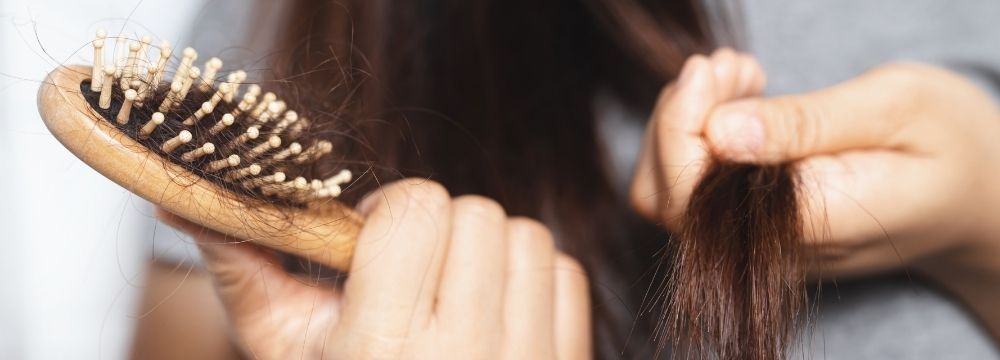
You may, however, tend to see more significant hair shedding when you’re styling your hair. If your hair is thinning or falling out, you’re probably trying to figure out why. If your hair loss is due to stress, worrying about it could make the problem worse. This article answers the question of whether stress can cause hair loss, the different types of stress-related hair loss, and what a person can do to manage stress-related hair loss. Not all hair loss is because of stress, but a person may shed significantly more when they experience extreme stress.
Q: What are some treatments to reverse stress-induced hair loss?
The hair pulling may also be more intentional and used as a means to relieve stress or other negative emotions. There is no known cure for AA, though there are some prescription medications that may help those with over 50 percent hair loss. The core reasons as to why this happens are ambiguous, but studies suggest a strong relation to unexpected stress as the trigger.
What is telogen effluvium?
Some research, including a 2024 review, suggests that there may be a connection between vitamin D deficiency and alopecia. Although more research is needed, it’s possible that treating this deficiency could help with hair regrowth. Stress can a range of physical symptoms including headaches, high blood pressure, an upset stomach, chest pain, sleep problems, sex problems, and many more conditions. It can also lead to a variety of emotional problems including depression, anxiety, and panic attacks. When we are feeling stressed, we may adopt behaviors that help us find relief, such as pulling at our hair. A 2020 review of the literature on telogen effluvium suggests that this particular form of hair loss equally affects men and women of all races.
“We first asked whether the stress hormone was regulating the stem cells directly and checked by taking out the receptor for corticosterone, but this turned out to be wrong. Instead, we found that the stress hormone actually acts on a cluster of dermal cells underneath the hair follicle, known as the dermal papilla,” said Sekyu Choi, the lead author of the study. Unfortunately, not really, given that this type of hair loss occurs months after a stressful event.
Prolonged or intense stress can also cause the immune system to overreact, contributing to hair loss, Proudman told Live Science. According to a 2020 review in the Central European Journal of Immunology, alopecia areata is a type of hair loss where a person’s immune system attacks the hair follicles. Environmental factors, such as stress, may trigger this reaction, the review authors suggested.
Treatment
There are several types of hair loss caused by stress and understanding the underlying cause can help you prevent future occurrences. If you suffer from stress-related hair loss, the good news is that it is usually temporary. In this article, we will discuss the possible causes of hair loss as well as treatment plans and preventative measures. Stress and hair loss can also be related, particularly if a person experiences high stress levels, according to the Mayo Clinic. In these cases, a person may notice that more hair is falling out or that fewer hairs are growing back.
Alopecia on the Rise After COVID, Study Suggests - Medpage Today
Alopecia on the Rise After COVID, Study Suggests.
Posted: Wed, 10 Jan 2024 08:00:00 GMT [source]
'Menopause-related hair loss in women, often due to hormonal changes, manifests as thinning or shedding. Treatments include hormone replacement therapy (HRT) to restore hormonal balance, minoxidil to promote hair growth, and supplements like biotin and iron to support hair health. Additionally, lifestyle changes and stress management can help mitigate hair loss symptoms,' says Dr. Balwi. Sometimes emotional or physical stress can lead to hair loss, which is a serious concern for most people and something they wish to reverse. Luckily, hair will usually grow back on its own once the source of stress has been removed, but there are several things you can do to help the process along.
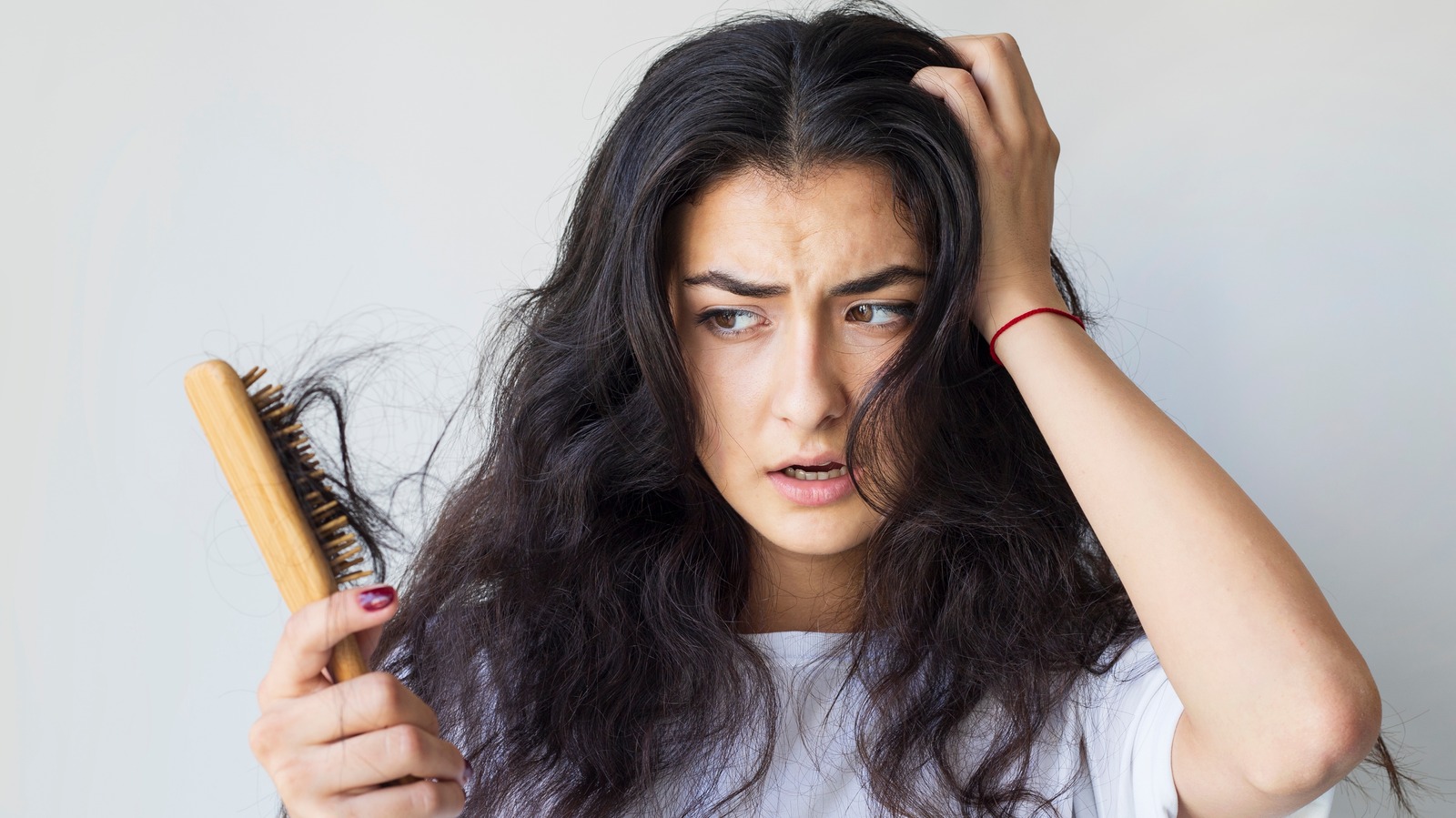
You'll notice telogen effluvium because one day you'll be totally fine and the next day you'll be dumping hair, filling up a brush or comb in a few days, he says. Bhanusali adds that many people tend to notice it in the shower when they suddenly start to see excessively large clumps of hair falling out and in the drain. Smoking can negatively affect many aspects of health, including hair health.
With telogen effluvium, the anagen phase slows down, meaning fewer hairs enter the next two stages. With this condition, around 30% of hair follicles move into the telogen phase, meaning hair shedding occurs. While many types of stress-related hair loss are temporary, anyone noticing sudden or patchy hair loss should speak to their doctor. This can sometimes signify an underlying condition that may need medical treatment. “In the future, the Gas6 pathway could be exploited for its potential in activating stem cells to promote hair growth,” says first author Dr. Sekyu Choi of Harvard University. However, further study is needed to understand whether the same mechanism is at work in people.
In a typical person’s scalp, 85% of hair is anagen, while 15% is telogen. Some stressors induce 70% of anagen hair into telogen, leading to hair loss. For most people, stress-related hair loss will be temporary, and it’s simply a case of “waiting it out”. This is particularly the case with telogen effluvium, which normally resolves within six to nine months.
The hair growth cycle is driven by stem cells that reside in the hair follicle. If you start suddenly losing abnormal amounts of hair three to four months after a particularly stressful event, you're likely experiencing telogen effluvium. But take heart in knowing that this is temporary and will most likely improve on its own with some time. The hair follicles were also in an extended resting phase (telogen).
The cause of this condition is unknown, but it primarily affects older women. In the type of patchy hair loss known as alopecia areata, hair loss occurs suddenly and usually starts with one or more circular bald patches that may overlap. Last year, findings from Hsu’s team advanced the understanding of how stress causes gray hair. These results reveal a key pathway involved in hair loss from chronic stress. These findings may also lead to further insights into how stress affects tissue regeneration in other parts of the body. After the three- to six-month shedding period, you’ll notice new hair growth in your affected areas.
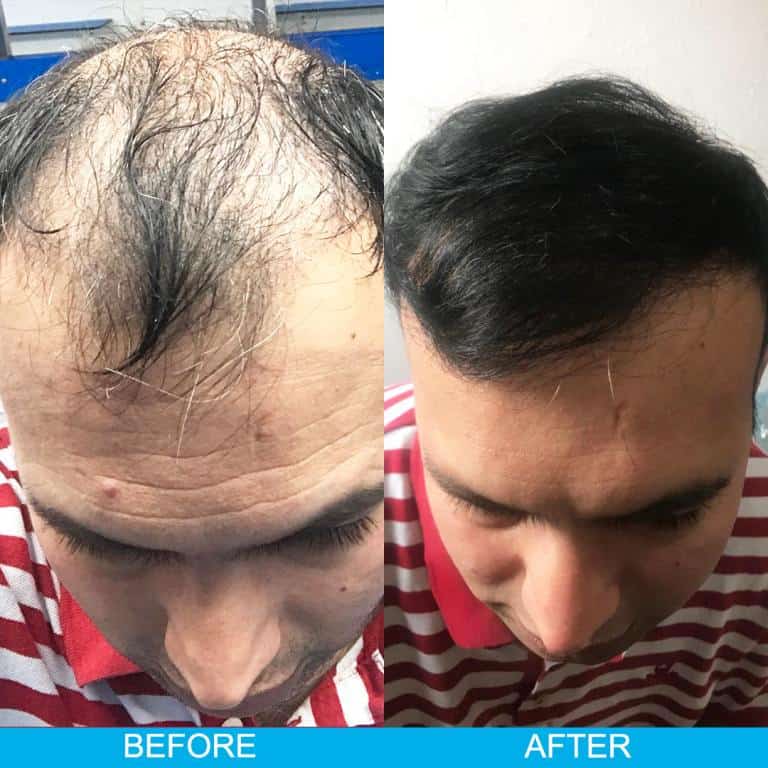
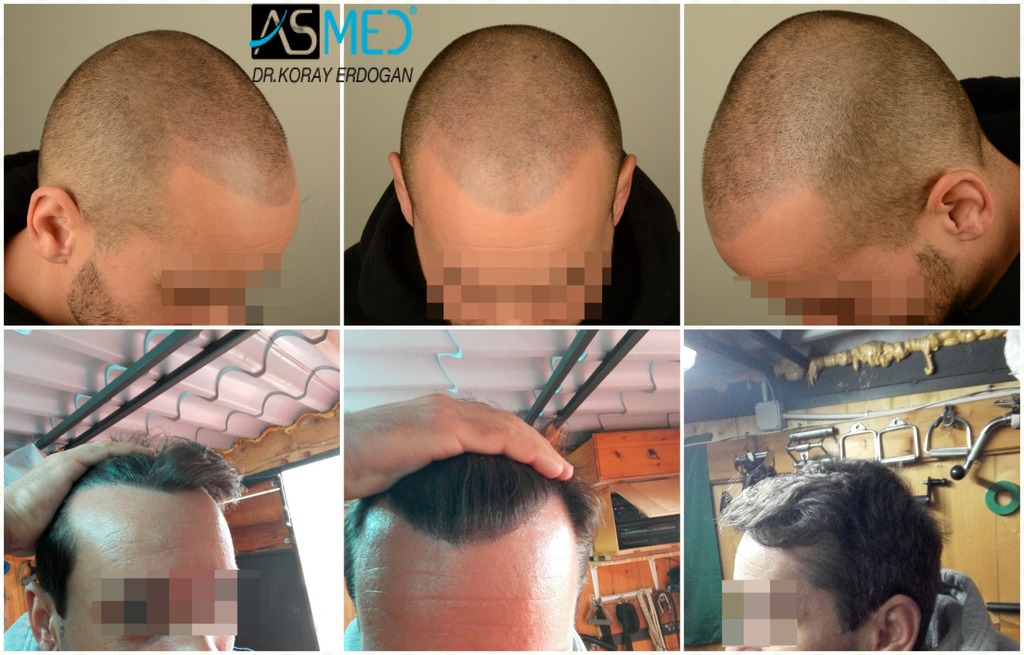
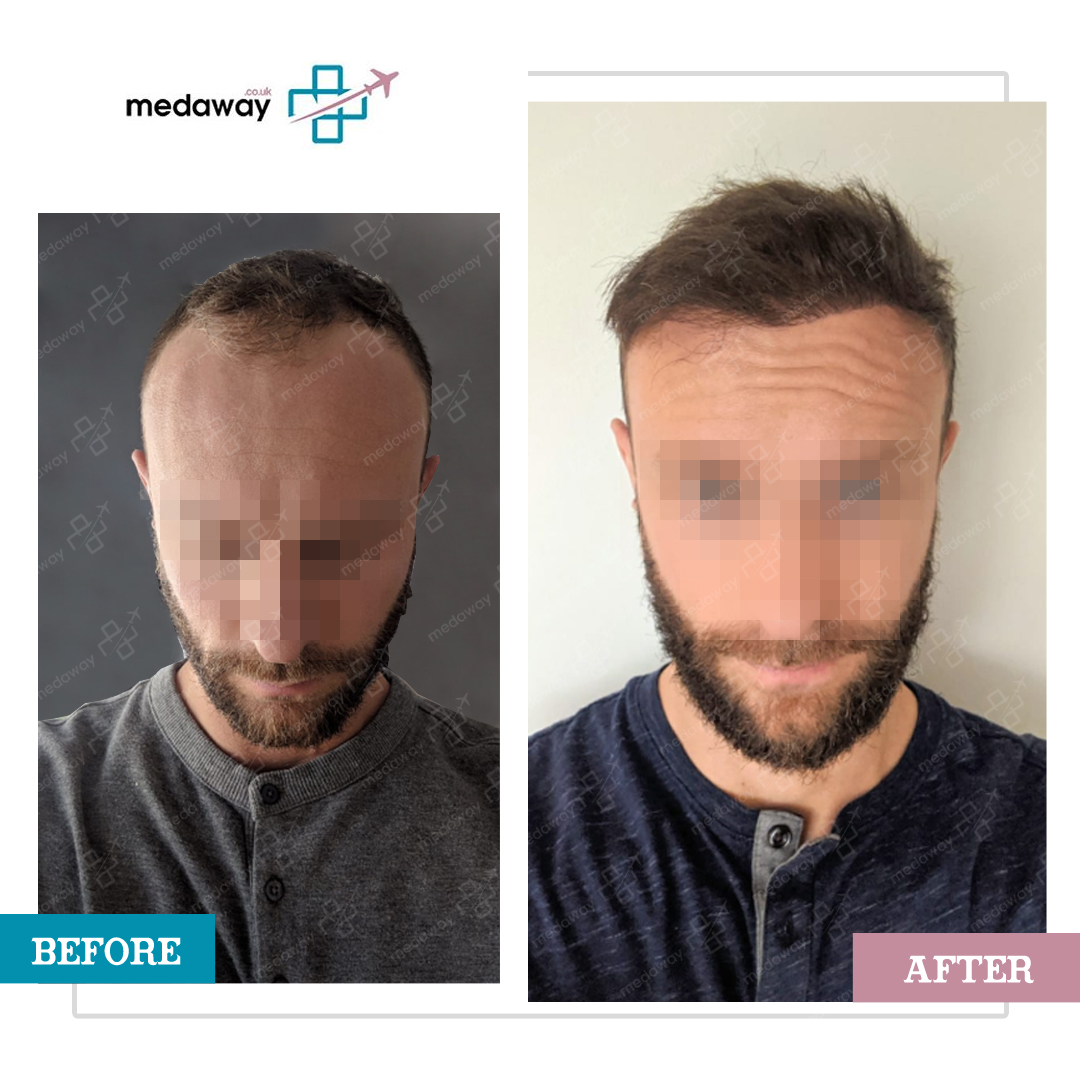
You can expect 10–80% of transplanted hair to grow back in 3–4 months. Talk with a dermatologist or a hair restoration specialist to find out whether a hair transplant is right for you. Some causes of hair loss are temporary and can be reversed, while others are permanent. Chemical treatments such as perms and hair dyes may also damage your hair and scalp. While you’re at it, let your hair air-dry to avoid irritating your scalp. If you can, avoid heat styling tools such as curling or straightening irons, which may also damage or break the hair shaft.
Being gentle with your hair while it’s experiencing change is important so as not to exacerbate any thinning. It goes without saying that excessive heat and chemical treatments aren’t a good idea, but try and opt for protective hairstyles too. “Opt for hairstyles that minimize tension on the hair follicles, such as loose braids, buns or ponytails,” advises Gaboardi. “Avoid tight hairstyles and hair accessories that pull on the hair and handle your hair with care to minimise breakage and damage.
When hair follicles are inactive, hair doesn’t grow, yet the mice continued to shed hair at their normal rate. Increased cortisol also prevented the cells beneath the hair follicle (dermal papilla) from secreting a molecule called GA56. Under normal conditions, hair follicle regeneration slows over time — the resting phase becomes longer as the animals age. “So even the baseline level of stress hormone that’s normally circulating in the body is an important regulator of the resting phase. The hair growth cycle is driven by stem cells that reside in the hair follicle. During growth, stem cells divide to become new cells that regenerate hair.