Table Of Content

Robynn received her Bachelor's and Master's degrees from Florida Atlantic University and has been practicing in rural family medicine since. Robynn is married to her college sweetheart, Raymond and they have three awesome children. When Robynn isn't with patients you can find her shopping, coaching her kids sports teams, or spending time on the water. Stress is any type of change that causes physical, emotional or psychological strain, according to the World Health Organization. Everyone experiences stress to some degree at certain moments in their lives, but long-term or intense stress can have more severe effects on the brain and body.
High blood pressure
Treatment for stress-related hair loss depends on the type of hair loss a person experiences. Environmental triggers play a significant role in its development. Some also consider stressful life events as significant factors that trigger the condition.
When to see a doctor
Until now, researchers hadn’t determined exactly how chronic stress impaired hair follicle stem cells. Further studies revealed that corticosterone prevented the dermal papilla from secreting GAS6, a molecule they showed can activate hair follicle stem cells. Delivering GAS6 into the skin restored hair growth in mice fed corticosterone or undergoing chronic stress.
Female-pattern baldness
Severe cases can even lead to cicatricial or frontal fibrosing alopecia due to tight hairstyles, causing inflammation, irritation, and itching. In this case, inflammation can scar the area and permanently damage hair follicles, preventing future growth.’ He adds. An older 2007 study found that caffeine blocked the effects of dihydrotestosterone (DHT) in male hair follicles. DHT is a hormone that’s linked to hair loss in people of all genders. Telogen effluvium is a form of hair loss that involves hair thinning or increased hair shedding. It occurs more often in women and is usually due to a disturbance in the hair cycle.
Topical treatments
Autoimmune diseases, in which the immune system mistakenly attacks hair follicles or skin cells, can also cause hair loss. This is the case with alopecia areata, which causes permanent loss of hair on your scalp, nose, ears, eyebrows, and other parts of the body. In addition, psoriasis, an inflammatory skin condition, can affect the scalp.
The main symptom of telogen effluvium is an increase in the amount of hair a person sheds. A 2019 study of treatment strategies suggests this condition has particularly affected Women of Color and can be stopped if treated early. If you have fine or straight hair, you might “tend to notice [telogen effluvium] very quickly” because your hair “is already thin and now looks thinner,” McNeill explains. Usually, you can expect to have your typical head of hair back in about 1 year after the telogen effluvium starts. Alongside many other benefits, quitting smoking may help preserve your hair.
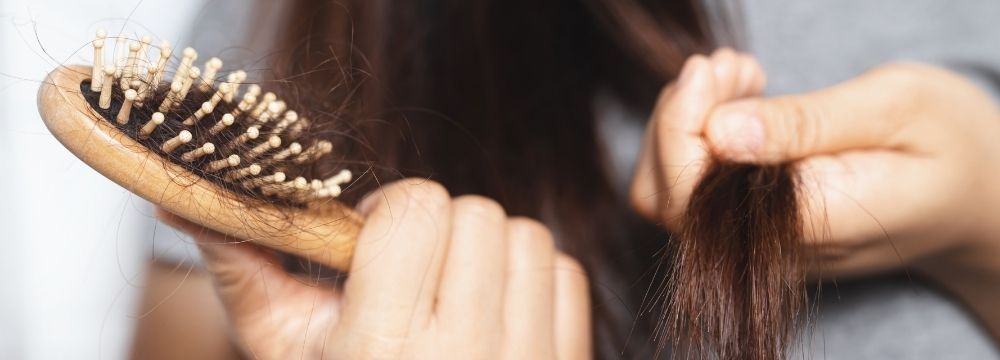
Washing your hair daily may protect against hair loss by keeping your scalp healthy and clean. Harsher formulas may dry out your hair and cause it to break, leading to hair loss. Biotin — also known as vitamin H or B7 — is involved in fatty acid production in your body.
Why You're Losing More Hair and the New Science to Help Regrow It - Oprah Mag
Why You're Losing More Hair and the New Science to Help Regrow It.
Posted: Mon, 11 Sep 2023 07:00:00 GMT [source]
The key is to make these practices a regular part of your life and do them even when you’re not feeling overwhelmed. Dermatologists may give topical corticosteroids to children 10 years old or younger and corticosteroid injections to individuals older than 10 years with patchy alopecia. These initial findings in mice need to be further studied before they can be safely applied to humans. If you notice you're pulling your hair out in this way, you should book an appointment to speak to your GP.
What other factors can affect hair loss?
Melanie Rud is a Chicago-based writer with 10 years of experience covering beauty. She covers all things skincare for Byrdie, from ingredients to acne advice. Keeping properly hydrated is also essential to overall good health. If you aren’t getting enough of these nutrients in your diet, talk to your doctor about supplements.
This could be attributed to poor mental health or grief,’ says Dr Balwi. If your hair is already dry or damaged, washing it in hot water can make it more likely to break. But make sure to do a patch test before using essential oils on larger areas of your skin.
Whether you're dealing with thinning in certain parts, excessive shedding, or a little bit of both, losing your hair can be incredibly emotionally taxing. Adding insult to injury, there's a lengthy laundry list of things that can cause hair loss. Everything from genetics to styling habits can play a role, and more than one factor is often to blame. That makes figuring out the root cause tricky, and once you understand what's causing your hair loss, treatment usually requires a multi-prong approach. Keep reading to learn how stress can affect your hair health, whether its effects are permanent, and what you can do to help encourage regrowth. Smoking, and the harmful chemicals present in cigarettes such as nicotine, can cause hair loss.
But if you experience more sudden loss, loss in patches, or overall thinning, you may want to see a doctor. In one small 2016 study involving 9 people, participants saw results after receiving as little as 4 minutes of massage a day for 24 weeks. Other essential oils to consider include lavender, lemongrass, and peppermint. You can try mixing a couple drops of any or all of these oils with a couple tablespoons of a carrier oil such as jojoba or grapeseed. Also known as Rogaine, this over-the-counter drug is known to help with hair loss. In the meantime, talk with your doctor before adding ginseng supplements to your diet.
There is limited evidence on the effectiveness of treatments for alopecia areata, but dermatologists prescribe topical corticosteroids as the first-line treatment for the condition. The exact cause of trichotillomania remains unknown, but many people report the occurrence of a stressful event before the hair-pulling behavior. Male-pattern baldness typically appears first at the hairline or top of the head.
In most cases, your healthcare provider can diagnose telogen effluvium without any testing. They may recommend further testing, including blood tests or a scalp biopsy, if they suspect a condition or illness has caused telogen effluvium. It’s also fairly common for people with mild alopecia areata to experience regrowth. We have hundreds of thousands of hairs on our head and not all of them are actively growing all of the time. Hairs that are resting are in the “telogen” phase – this means they have stopped growing but will stay on the head for a few more months before falling out.
In this article we’re going to look at the types of hair loss including the most common - telogen effluvium, why stress can cause hair loss, symptoms and potential treatments. The short answer is yes, stress can cause hair loss, or contribute to it. There are three types of hair loss that can be triggered (or made worse) by stress - telogen effluvium, alopecia areata and trichotillomania. Stress-related hair loss is often temporary, so it's unlikely your hair will be lost forever.


No comments:
Post a Comment