Table of Content
A edible cabbage garden is an excellent way to add color and variety to your indoor garden. These plants thrive in various climates and can be planted in an outdoor pot. It is critical to plant seeds in deep, well-watered pots on a regular basis and to keep them out of direct sunlight to avoid overheating. If the plants begin to sprout, cover them with plastic wrap or a clear plastic container to keep them warm. The soil must be moist but not saturated; watch for the first signs of growth to occur.
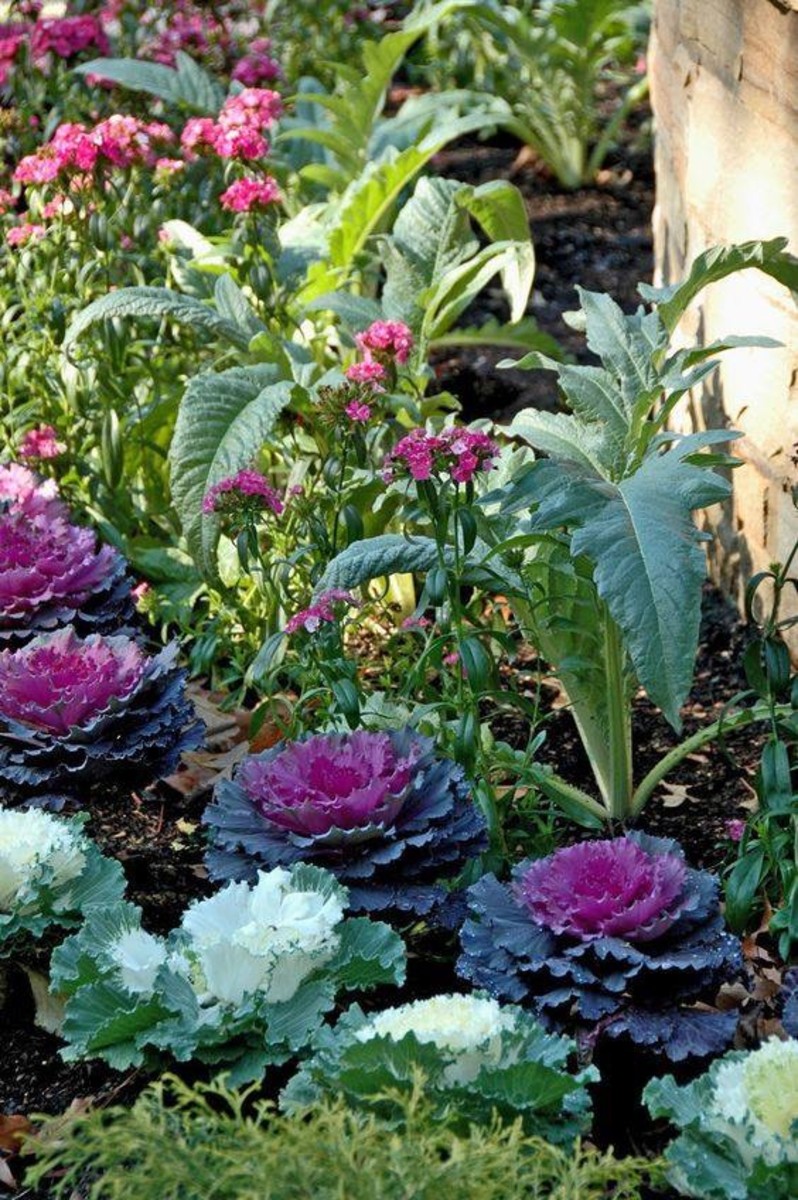
Brassica oleracea is a plant known as cabbage, scientifically. It is a term that refers to a specific type of cabbage that is growing in the winter. Winter cabbage, in addition to being a strong flavor, is also known as Savoy cabbage.
Ornamental Cabbage Seeds
Look for good color and a size appropriate for the desired planting area. Purchased flowering cabbage typically won’t grow much more after planting. When the temperature drops, colors should intensify, however. If you only have a few plants and want to grow them in containers rather than scatter them throughout your garden, ornamental cabbages or kales will look more natural.

Ornamental cabbages are a type of cabbage that is grown for its decorative purposes. The leaves of the ornamental cabbage are usually variegated or tinted, and the plant itself is often quite small. Ornamental cabbages are typically planted in the spring, and they will bloom throughout the summer. The seeds of the ornamental cabbage can be used to grow new plants, and they can also be harvested and used in cooking. Plants can be protected from cold weather by a variety of methods. A row cover tunnel, also known as a cloche, could be used to cover them.
Is It Too Late To Plant Ornamental Cabbage?
Brassica plants, such as cabbage, broccoli, Brussels sprout, cauliflower, kale, and collard greens, are commonly found in gardens. They can be grown as companion plants for cabbage, and they are also excellent for overwintering in zones 5-9. They make excellent winter companions as well as excellent snowbirds.

Ornamental cabbage is a cool-weather crop that is typically planted in the fall. The plants can be purchased from garden centers and nurseries. They look stunning in containers, in front of a border, as an edging, or in mass plantings. If you’re looking for a dramatic addition to your fall garden, flowering cabbage (Brassica oleracea L. var.) is a great choice. To put it another way, capitata is the ratio of head to body.
Ornamental Cabbage Care – How To Grow Ornamental Cabbage Plants
It grows about a foot (31 cm.) wide and up to 15 inches (38 cm.) tall with a mounding habit. One of the earliest and most distinguished heirloom cabbage varieties is the cabbage plant All Season variety. It is an early cabbage variety with blue-green, slightly flattened heads and a firm blue-green color. Dynamo heads have blue green, globe-shaped bodies that weigh about 3 pounds on average. Pak Choi’s cabbage, or bok choi, is a hybrid that is similar to Chinese white cabbage. This tree is large, vigorous, and has bright green leaves and white petioles.
Some varieties can be found in a variety of seasons, such as Huron, OS Cross, and Danish Ball Head, which are long-season varieties that can survive into the winter. Flowering cabbage is easily grown from seed but must be started by midsummer to be ready for fall planting. Light is needed for germination, so sprinkle seed on growing medium but do not cover with soil. Their color intensifies as the temperature drops, particularly below 50 degrees F. Ornamental cabbage plants typically survive to about 5 degrees F. (-15 C.) and will decorate the landscape till winter turns harsh.
Ornamental Cabbage and Kale
It will not only keep plants warm, but it will also keep them protected from the elements. Winter cabbages can also be grown in a greenhouse or cold frame as an alternative to growing indoors. This will keep the plants warm while also protecting them from frost and wind.
It takes about 12 weeks for ornamental cabbage to reach its full color. It has a two-year life cycle, which means it is a biennial plant. Some of the most common ornamental cabbage and kale diseases include Alternaria leaf spot, black rot, club rot, and downy mildew. It is easy to grow from seed and can be planted after midsummer, but fall planting is dependent on the early start of the flowering cabbage. Light is required for germination, so plant seed in a growing medium that does not cover soil. If you want to germinate, keep the temperature at 65 to 70 degrees Fahrenheit (18-21 degrees Celsius).
Once the plants begin to grow, they must be moved into larger pots or containers in the spring. Place them in a sunny spot after they’ve been placed in their new pots and water them frequently once they’ve set up. Watering in the summer and autumn should be fine for them. Though considered edible– it has a very bitter taste– ornamental cabbage is more often used as a food garnish. It may be consumed with a double-boiling method to reduce bitterness or sautéed in olive oil.
I think that if a plant has the word “ornamental” in it, it would probably be best to use it just as that, an ornamental. You also don’t know what, if any, chemicals or fertilizers they used to grow it. Its genus Brassica is enormous because it contains a wide range of plants with various functions.


No comments:
Post a Comment